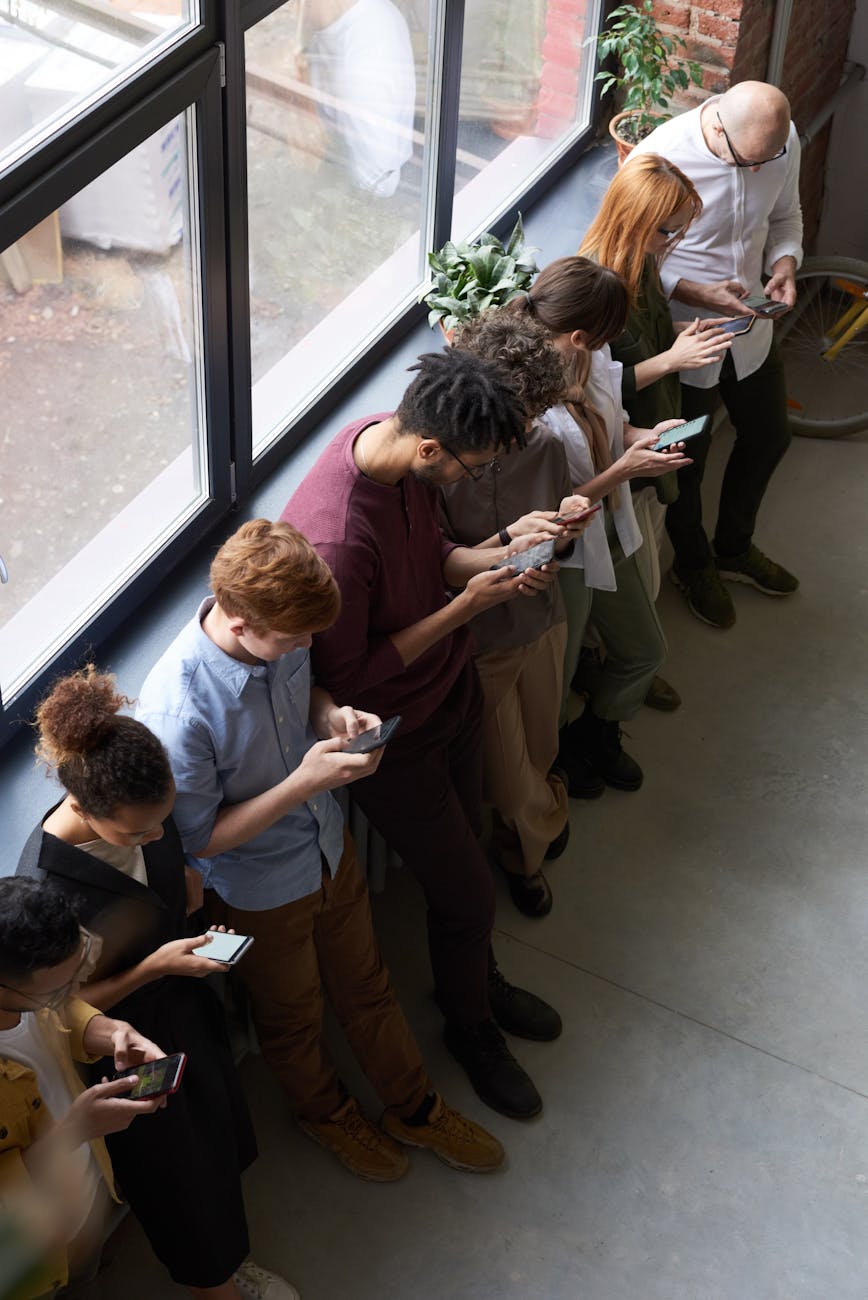
In the era of endless scrolling, likes, and viral trends, individuality is quietly disappearing. What once made local cultures vibrant and unique is being flattened into a single, global aesthetic — curated not by people, but by algorithms. The globalization of social media has connected the world like never before, but in doing so, it has blurred the lines that once defined us.
From Local Flavor to Global Template
Before the rise of social media, culture was regional, rooted in shared histories and lived experiences. The way people dressed in Nairobi differed from Paris; the slang in Mexico City had no equivalent in Tokyo. These distinctions gave color and richness to humanity.
Today, however, global platforms like TikTok and Instagram have standardized what we see and aspire to. The same viral dance, sound, or “aesthetic” dominates screens across continents. Fashion trends, interior design styles, and even humor are replicated endlessly, stripped of local nuance and repackaged for mass consumption.
What was once a mosaic of cultural expression has become a mood board — cohesive, beautiful, and dangerously uniform.
The Algorithm as the New Gatekeeper
At the heart of this cultural flattening lies the algorithm — the invisible force deciding what’s seen, liked, and shared. Social media rewards familiarity, not originality. When imitation drives visibility, creativity becomes a gamble, and uniqueness is quietly punished.
The result is a digital echo chamber where everyone looks and sounds the same. The local artist, the indigenous designer, the regional storyteller — all struggle to compete against algorithm-approved trends that appeal to global audiences. Culture becomes a product, not a living practice.
Globalization and the Loss of Meaning
Globalization was meant to foster understanding between cultures. Instead, it often reduces them to digestible, aesthetic fragments. Traditional garments become fashion statements. Sacred symbols turn into brand logos. Music rooted in history is remixed into viral audio snippets.
This isn’t cultural appreciation — it’s cultural dilution. When heritage is consumed without context, meaning fades. What remains is a global culture that looks diverse on the surface but feels strangely hollow beneath.
The Paradox of Self-Expression
Ironically, while social media promises self-expression, it often delivers conformity. Influencers and everyday users alike are pressured to curate a “perfect” version of themselves — filtered, styled, and algorithmically optimized. The same poses, filters, and slogans dominate feeds worldwide.
In chasing relatability, we’ve sacrificed individuality. Our online identities are less about who we are and more about what performs well.
Reclaiming Authenticity in a Globalized World
All hope isn’t lost. Technology doesn’t have to destroy diversity — it can preserve and celebrate it. The key lies in conscious creation and mindful consumption.
Support local creators. Follow artists who represent authentic traditions. Share stories that challenge the algorithmic norm. Individuality can thrive again when we use digital tools to express, not replicate.
True self-expression isn’t about going viral — it’s about being real. Culture isn’t a trend; it’s a reflection of our roots, our values, and our shared humanity.
Conclusion
Social media and globalization have given us a single, connected world — but they’ve also risked turning that world into a single voice. As we scroll through the endless stream of sameness, the challenge is not to disconnect, but to rediscover what makes us distinct. Because in a global culture obsessed with trends, authenticity might just be the most radical act of all.
 Antonio P Argueta
Deja un comentario