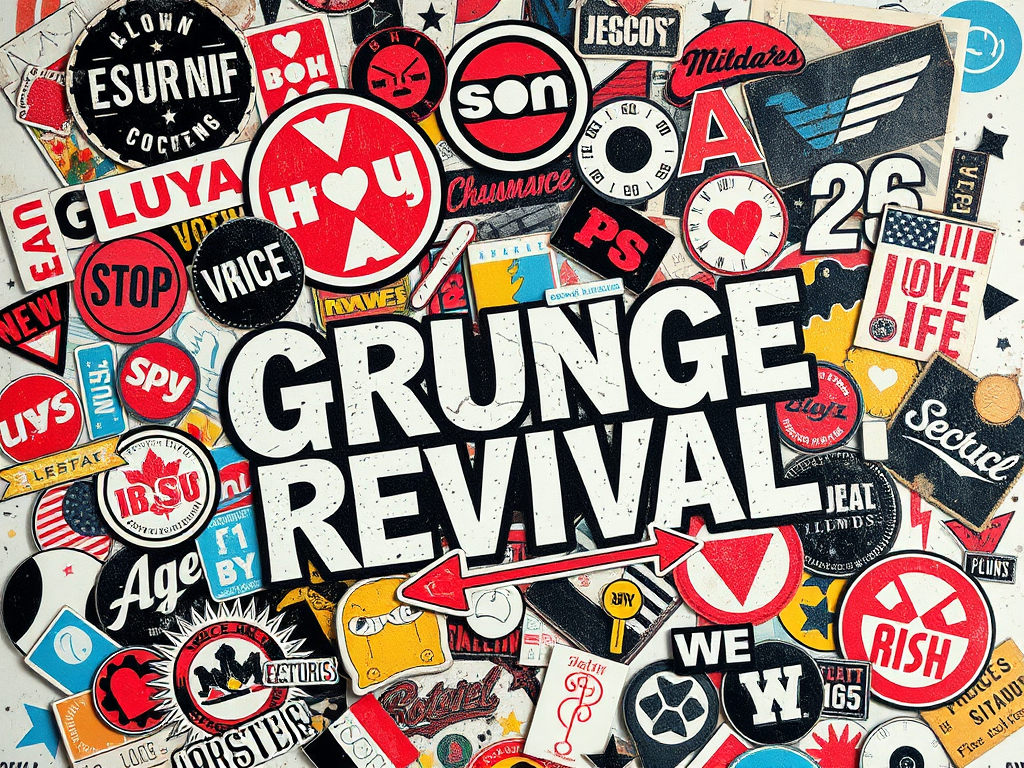
For the past decade, clean, hyper-polished aesthetics have reigned supreme in design and branding. Minimalism, corporate flat design, and sterile, algorithm-friendly visuals flooded our screens, storefronts, and social feeds. But in 2025, the pendulum is swinging back with force—enter the Grunge Revival, a raw, imperfect, and deeply human design movement that challenges the uniformity of modern branding. I see real, human, soulful design and fashion, not overtaking the mainstream but growing against all odds like sidewalk flowers finding their way and claiming a space in the ether of life.
Grunge as a Form of Resistance
Grunge’s return isn’t just about nostalgia—it’s about defiance. The rise of conservatism in various aspects of society has historically sparked a countercultural movement in art and fashion. Just as the late 20th century saw the nuclear family ideal juxtaposed with punk’s rebellion, today’s cultural climate is fostering a revival of gritty, DIY aesthetics. While grunge itself may not bring about the downfall of conservatism in 2025, this revival will continue to intensify in the coming years, growing alongside other countercultural movements and gradually taking root in mainstream culture as a form of creative resistance against uniformity and sanitized aesthetics.
In a world where every product is optimized for engagement and every brand aims for the same sterile, “safe” commercially profitable identity, grunge offers something raw and real. It embraces imperfection, distortion, and a handcrafted look that feels human, emotional, and lived-in.
Key Trends Defining the Revival
1. The Rise of New Naivety
One of the most striking elements of this revival is what designers are calling “New Naivety.” This trend embraces awkward imagery, hand-drawn typography, and clashing color schemes, moving away from sleek digital perfection. Brands are intentionally using off-kilter, DIY aesthetics to feel more personal and authentic—something that resonates deeply in an era where consumers crave connection over perfection.
2. Vintage Branding Comeback
Many major brands are leaning into their pasts, reviving older, more textured logos and packaging. Budweiser’s retro rebrand, Kodak’s vintage logo revival, and other companies looking backward for inspiration signal a wider appreciation for the imperfections of past designs. These logos feel timeless yet rebellious, reminding us of an era before marketing became hyper-optimized.
3. Gritty, Messy, and Unpolished Visuals
Brands and artists alike are embracing chaotic compositions, distressed textures, and experimental layouts. We see a resurgence of rough-cut collages, Xeroxed graphics, and layered, noisy visuals that bring depth and grit to modern design. This aesthetic breaks free from the sterile, algorithm-friendly graphics that have dominated the past decade.
Pop Culture’s Role in the Grunge Renaissance
This movement isn’t happening in a vacuum. The return of grunge aesthetics in branding aligns with broader cultural shifts. Gen Z, known for their love of “ugly” fashion—thrifted, worn, and intentionally awkward—are gravitating toward aesthetics that reject the polished ideal. Musicians like Chappell Roan are leading the charge with campy, over-the-top visuals, proving that raw, chaotic expression resonates deeply with younger audiences.
In fashion, the resurgence of thrifted grunge styles, oversized silhouettes, and distressed fabrics signals a push against the mass-produced fast fashion aesthetic. The beauty is in the imperfections—an ethos that echoes across all facets of design today.
The Grunge Revival Will Feel Out of Place—At First
Like all major aesthetic shifts, grunge will initially feel strange, out of place, even jarring. Older generations, accustomed to the sleek, refined branding trends of the past two decades, are likely to resist. The raw, imperfect visuals of grunge will stand out like a sore thumb in the early stages of its revival. But as cultural priorities shift toward authenticity and realness, grunge will take hold among like-minded schools of thought and design languages.
Of course, grunge won’t be alone in this movement. Tamer design siblings like retro aesthetics and maximalism will also gain traction, offering a broader push against minimalism and sanitized corporate branding. But at the heart of this shift, grunge stands as the true engine of change—the boldest, most rebellious force in this new wave of design. And for that reason, I choose to champion grunge as my resistance.
Why Grunge is Hopeful, Not Nihilistic
Grunge has long been associated with rebellion, but it’s also deeply hopeful. It’s a celebration of imperfection, of breaking free from rigid structures and embracing raw authenticity. This revival isn’t about destruction—it’s about reconstruction. It’s about giving a soul back to design in an era where everything has started to feel mass-produced and impersonal.
As we move deeper into 2025, expect to see more brands, artists, and creators embracing the beauty of imperfection. The sterile, minimalistic design era had its time, but the future belongs to those willing to get messy, to experiment, and to create with feeling.
The Grunge Revival is here, and it’s beautiful.
 Antonio P Argueta
Deja un comentario