Food styling is more than just making a dish look good; it’s about storytelling—creating an experience that engages the senses and communicates with the viewer. In this article, I’ll share some tips and techniques for crafting visually stunning food presentations and discuss my journey in food styling and its impact on establishing a brand’s identity.
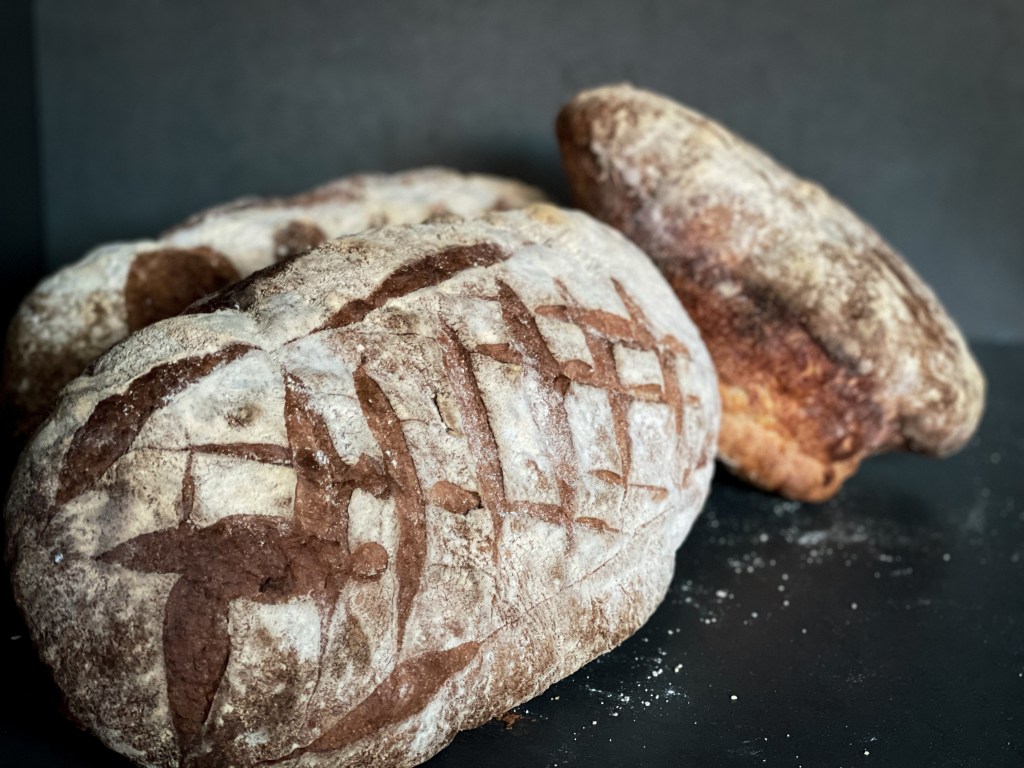
Food is more than just sustenance; it embodies family, community, and shared moments. It’s an art form that can evoke emotions and memories. As someone who has always been passionate about cooking and art, I found my way into the world of food styling while developing my first brand, Cafe Saint Peche. I challenged myself to create high-quality, grade A food styling that effectively communicated the brand’s values: fresh and real ingredients, care and passion, refined techniques, and a sense of luxury.
Tips and Techniques for Stunning Food Presentations
1. Choose the Right Plate
- Color and Shape: Select plates that complement the food. White plates are classic for showcasing colorful dishes, while darker plates can enhance the vibrancy of lighter foods.
- Size Matters: Use appropriately sized plates. A large plate for a small portion can make the dish look lonely, while a small plate for a large portion can overwhelm it.
2. Play with Color
- Contrast: Use contrasting colors to make the dish pop. For example, a green salad on a red plate creates a vibrant visual.
- Natural Ingredients: Incorporate colorful ingredients like herbs, fruits, and vegetables to enhance the plate’s visual appeal.
3. Consider Composition
- Rule of Thirds: Imagine dividing your plate into thirds. Place the main element of your dish at one of the intersections for a balanced look.
- Height and Layers: Create height by stacking elements or using stands. This adds dimension and interest to your presentation.
4. Garnishing Wisely
- Fresh Herbs: A sprinkle of fresh herbs can elevate the look of any dish. They add color and a touch of freshness.
- Drizzles and Dots: Use sauces or purees to create artistic drizzles or dots around the plate for added flair.
5. Lighting is Key
- Natural Light: Whenever possible, use natural light for your food photography. It enhances colors and textures beautifully.
- Avoid Harsh Shadows: Position your dish to minimize harsh shadows, ensuring the food looks appetizing.


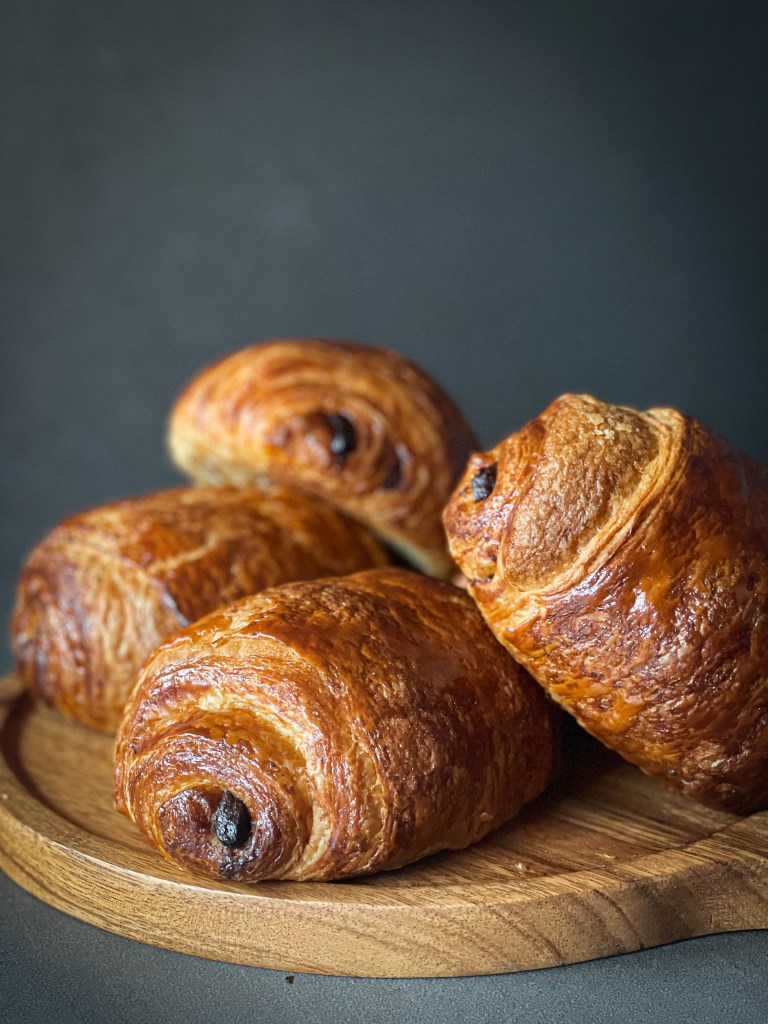

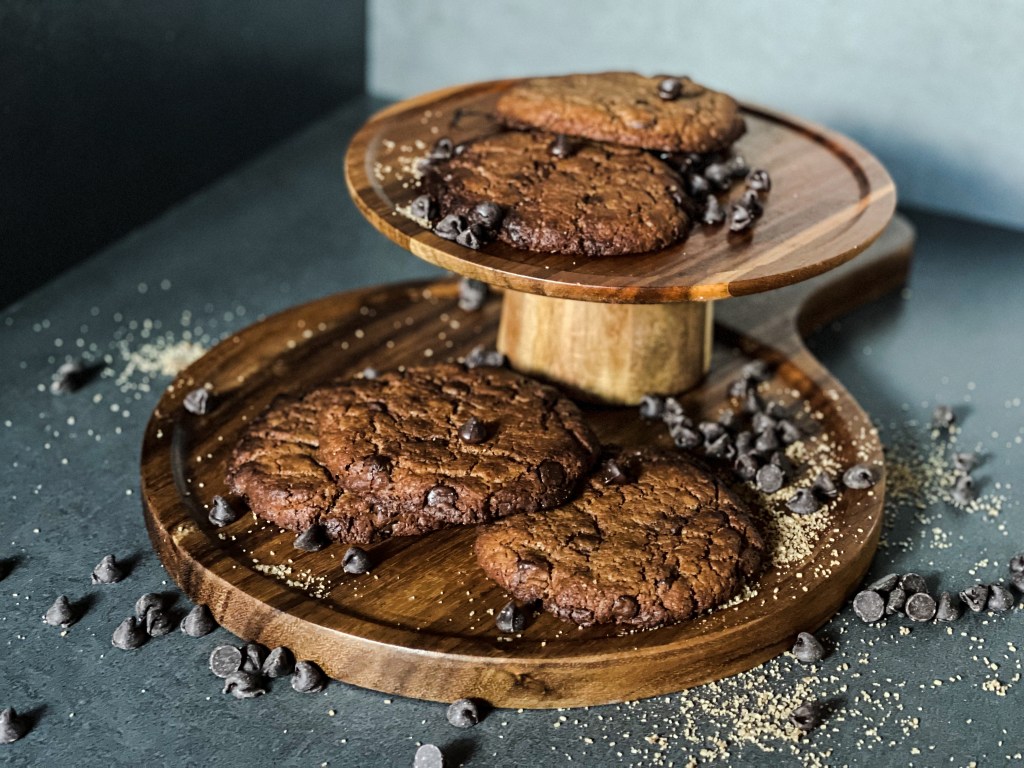
My journey into food styling began in my kitchen, where I experimented with plating techniques and photography. As I developed the recipes for Cafe Saint Peche, it was an unending series of trial and error. I meticulously gathered notes from every tasting for each menu item, searching for keywords, insights, and flashes of genuine creativity.
Everyone has a different process; for me, what worked was focusing on textures, colors, and emotions. Once I understood how I wanted viewers to feel, I had a clearer direction for achieving that feeling through styling and set design.
From my personal recipe notes, I distilled some key ideas: wood, natural materials, cleanliness, clarity, high quality, warmth, homemade, cottage, and artisanal. Armed with these keywords, I turned to social media for inspiration. A tool I find particularly useful is Pinterest. I plugged in my keywords and browsed through images that evoked the feelings I was aiming for. This helped me create a vibe board to stay aligned with my vision and compile a list of potential materials for the set.
I visited the hardware store to gather tiles for the set, seeking classic, timeless pieces with warm tones and interesting shapes. I looked for tiles that resembled the swirling colors of a latte or the rich shades of a freshly pulled espresso shot. Once I had all the materials, I constructed the set. I also sourced wooden plates, clear glass pitchers, cups, and napkins—anything that aligned with my vision.
After assembling everything, I drew inspiration from editorials in food magazines and cookbooks, experimenting with different shot compositions to see what looked best.
Lastly, seal the deal with some finishing touches, some editing to correct some color, brighten the image, eliminate unwanted shadows and make sure the subject is the front and center of the photo.
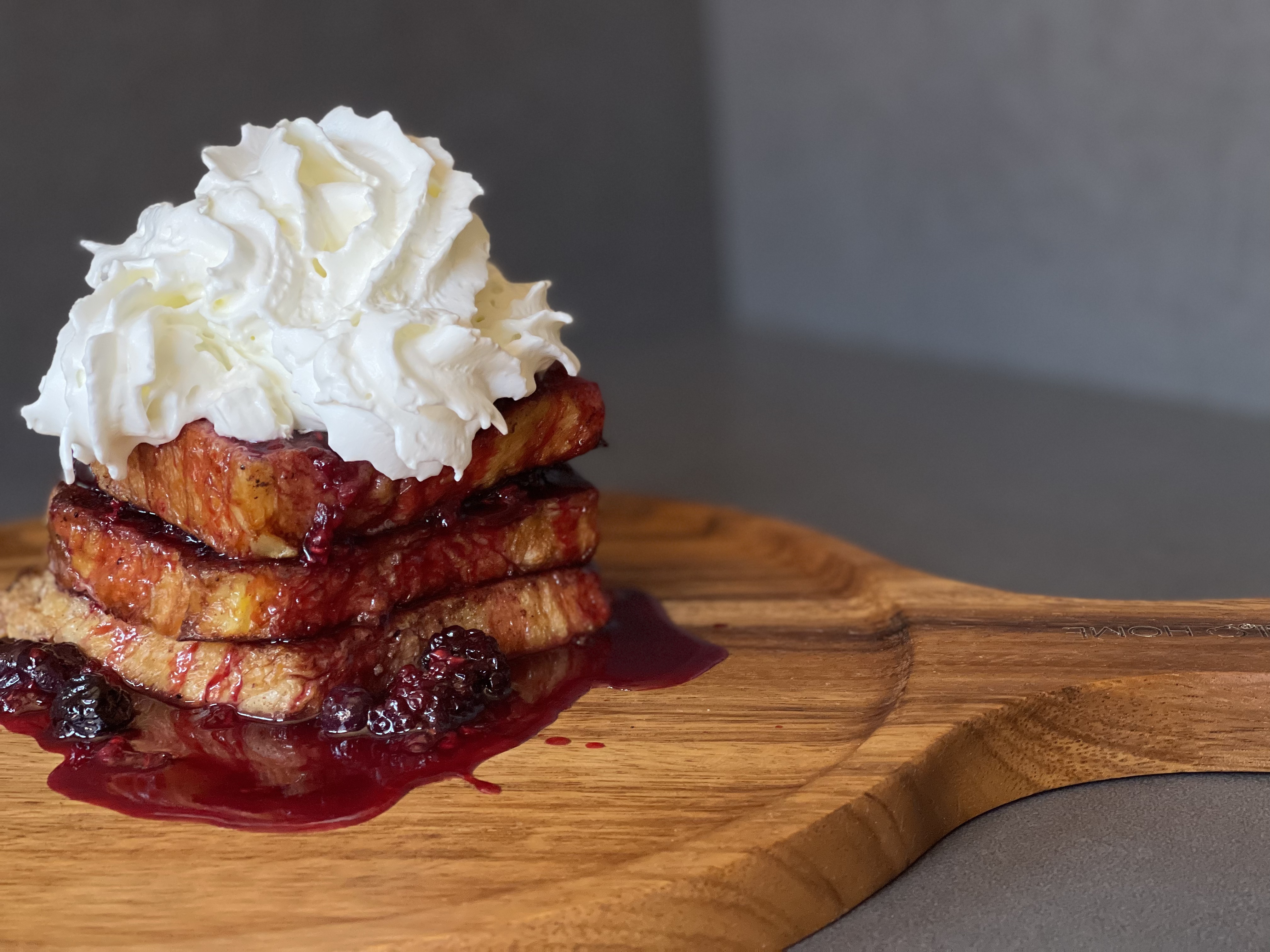
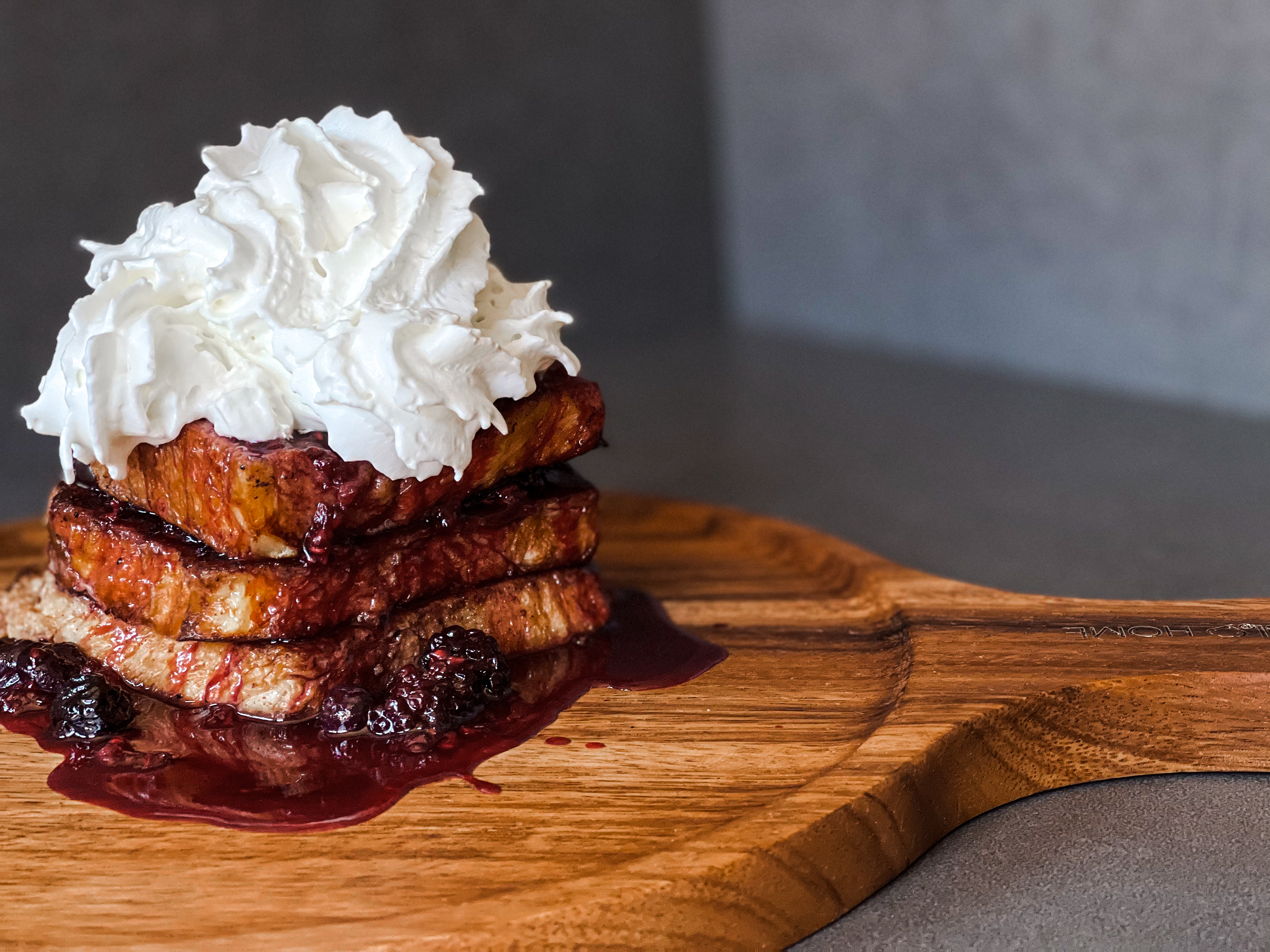
The art of food styling is a powerful tool that can transform a simple dish into a masterpiece. By applying these tips and techniques, you can create visually stunning presentations that not only please the eye but also enhance the overall dining experience.
For more visual inspiration and to see my journey in food styling, Check out my portfolio here
You will find a collection of my work that showcases the beauty and creativity behind each dish. Let’s continue to celebrate the art of food together!
 Antonio P Argueta
Deja un comentario